Peppermint Tea Sticker: A Designer's Review for Embroidery
When I first pulled up the Peppermint Tea Sticker design on my screen, my immediate reaction was one of quiet appreciation for its simplicity. In a market saturated with overly complex, dense patterns that fight against the fabric, this file offers a refreshing change of pace. As someone who spends hours digitizing and stitching for clients, I know that the difference between a "good" file and a "great" one often lies in how it behaves under the needle, not just how it looks in a thumbnail. This review breaks down the practical reality of using this specific asset in real-world embroidery projects, from boutique apparel to handmade home goods.
First Impressions and Visual Personality
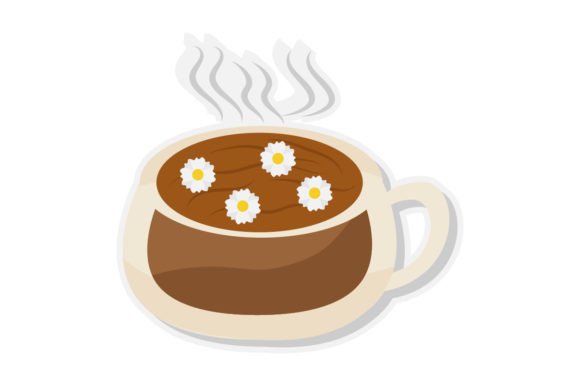
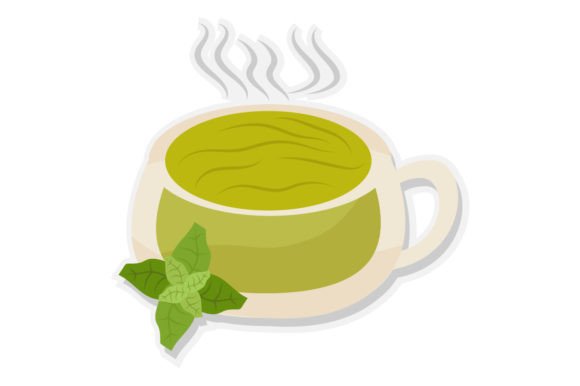
The visual personality of the Peppermint Tea Sticker leans heavily into the cozy, minimalist aesthetic that is currently dominating the craft world. It doesn't scream for attention; instead, it invites a closer look. The layout suggests a clean, modern approach, likely utilizing a combination of running stitch for outlines and perhaps light fill stitch or satin stitch for the tea elements themselves. This balance is crucial. Designs that are too heavy can pucker lightweight fabrics, while those that are too sparse can get lost on textured materials.
What stands out most is the potential versatility. The "sticker" style implies a defined shape with a clear boundary, which translates beautifully into an embroidered patch or a direct-to-garment application. For a designer, this means less time worrying about messy edges and more time focusing on placement. The theme naturally evokes warmth, relaxation, and self-care, making it an instant fit for products targeting mindfulness, morning routines, or winter comfort.
Real-World Application: The Custom Tote Scenario
To truly test the viability of any machine embroidery design, I mentally run it through a specific client scenario. Let's say a local coffee shop owner wants a run of limited-edition tote bags for their holiday push. They want something that feels artisanal but not childish. Here is where the Peppermint Tea Sticker shines.
Imagine stitching this onto a natural canvas tote bag design. The sturdy weave of the canvas provides an excellent base for the stitches, preventing the kind of sinking that happens on loose knits. If the design includes text or fine lines, the stability of the bag ensures they remain crisp. For a small shop product, this level of clarity increases perceived value. Customers aren't just buying a bag; they are buying a piece of art that signals their love for Tea and slow living.
Beyond totes, I can see this working exceptionally well on sweatshirt embroidery. A left-chest placement on a heather grey crewneck would look professional and understated. It avoids the "novelty tee" trap and elevates the garment to something you'd find in a curated boutique. For baby embroidery, provided the stitch density isn't too high, this could adorn a muslin swaddle or a soft onesie, offering a gentle, soothing graphic for a nursery theme.
Navigating Fabric Textures and Technical Challenges
While the design is promising, a responsible reviewer must address the technical hurdles. Not every fabric plays nice with every embroidery file. If you are planning to use the Peppermint Tea Sticker on stretchy fabrics like jersey or thin silks, caution is required. Stretchy materials demand a robust stabilizer strategy. Without proper backing, even a simple design can distort, turning circles into ovals and straight lines into waves.
Curved surfaces present another challenge. If you intend to put this on a cap, the curvature of the front panel can compress the design vertically. You may need to adjust the pull compensation in your software if you have the editable source files, or simply choose a larger hoop size to minimize distortion near the edges. Speaking of hoop size, always check the dimensions of the design against your available hoops before committing to a project. There is nothing worse than realizing mid-production that the design barely fits, leaving no room for error in placement.
Dark fabrics require special attention regarding thread colors. If the design relies on subtle shading, it might vanish against a navy or black background. In these cases, consider using a lighter underlay or adjusting the thread palette to ensure high contrast. A quick test stitch on scrap fabric of the same weight and color is non-negotiable. This small step saves hours of unraveling and frustration later.
Commercial Viability for Etsy Sellers and Makers
For the Etsy seller or creative entrepreneur, the Peppermint Tea Sticker represents more than just a pretty picture; it is a potential revenue stream. The current trend toward "cozy core" and hygge-inspired decor means that items featuring tea motifs are in high demand. Whether you are selling finished handmade products or creating printable mockups for digital listings, the clarity of this design aids in marketing.
High-resolution previews are essential for online sales. Since this design comes with formats like SVG File, Transparent PNG, EPS, and DXF, you have the flexibility to use it across different platforms. The vector formats (SVG, EPS, DXF) are particularly valuable if you need to scale the design for large format printing or laser cutting applications alongside your embroidery work. The transparent PNG is perfect for creating social media graphics or watermarked previews to protect your design assets.
However, commercial success relies on consistency. If you are building a brand around Crafts and home goods, ensure that the execution of this design matches your quality standards. Sloppy tension or poor thread choices can undermine customer trust. A well-stitched Peppermint Tea Sticker on a kitchen towel or pillow cover can become a signature item that buyers associate with your shop's reliability.
Final Verdict and Designer Notes
In conclusion, the Peppermint Tea Sticker is a solid addition to any digital library, provided it is used with intention. It excels in projects that call for a touch of whimsy without sacrificing professionalism. Its strength lies in its adaptability—from a personalized gift for a tea-loving friend to a line of commercial embroidery products for a cafe.
Before you start stitching, keep these practical notes in mind:
- Test First: Always run a sample on scrap fabric identical to your final material to check for puckering or registration issues.
- Check Licensing: Verify the specific license terms attached to the file. Some designs allow for unlimited physical sales but restrict digital redistribution.
- Stabilizer Matters: Match your stabilizer to the fabric weight. Cut-away is often safer for garments that will be washed frequently, while tear-away works for stable woven items like towels.
- Thread Contrast: Ensure your thread colors pop against the fabric. Don't be afraid to deviate from the suggested color map if it suits your specific product better.
- Inspect Details: Look closely at small corners and tight curves in the preview. These are common trouble spots where threads can bunch up.
Ultimately, the value of an embroidery project is determined by the finish. With the right preparation and a keen eye for detail, the Peppermint Tea Sticker has the potential to create beautiful, lasting impressions on a wide variety of substrates. It is a reminder that sometimes, the simplest designs make the biggest impact when executed with care.