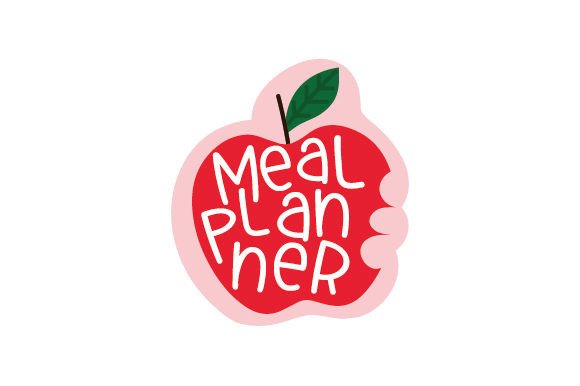
Meal Planner Sticker: A Designer's Take on Stitching Organization
As someone who spends more time staring at digitized files than I do at my own dinner table, I approach every new machine embroidery design with a mix of skepticism and curiosity. We've all been there: you download a cute graphic, load it onto your machine, and halfway through the stitching process, you realize the density is all wrong or the details are too fine for the fabric you chose. That is why I took a close look at the Meal Planner Sticker design before committing it to a client project. This isn't just about whether the image looks good on a screen; it is about how it translates into thread, how it holds up after a wash cycle, and whether it adds genuine value to a handmade product.
The first impression of this design is one of structured charm. In the world of Planner accessories and organization tools, aesthetics often lean towards clean lines and readable icons. The Meal Planner Sticker captures that vibe perfectly. It feels functional yet decorative, making it an ideal candidate for more than just paper planners. When I visualized this as an embroidery project, my mind immediately went to kitchen textiles. Imagine a linen tea towel or a canvas apron featuring this motif. It speaks directly to the person who loves their weekly prep routine, turning a mundane task into something visually satisfying.
Real-World Application: From Digital File to Finished Goods
To truly test the viability of this design, I imagined a specific scenario: a custom order for a local boutique specializing in organized living. The client wanted a series of tote bags for a "Sunday Prep" workshop. The Meal Planner Sticker was the perfect centerpiece. Because the design likely relies on clear shapes to convey its message, it translates well into fill stitch and satin stitch combinations. On a sturdy cotton tote, the design would pop, offering a professional look that elevates the bag from a simple carrier to a lifestyle statement.
Beyond tote bags, this design has strong potential for sweatshirt embroidery. A cozy crewneck with a small, embroidered meal planner icon on the chest or sleeve creates a subtle, trendy look that appeals to the "mom blog" demographic or fitness enthusiasts who track their macros. The key here is scale. If the original embroidery file is sized correctly, it can serve as a charming accent without overwhelming the garment. For Etsy sellers looking to expand their craft business, offering this on hoodies or zip-ups could be a lucrative niche, especially during the New Year resolution season when everyone is trying to get their lives together.
I also see this working beautifully as an embroidered patch. By adding a merrowed edge around the design, you create a durable accessory that can be ironed onto backpacks, lunch bags, or even denim jackets. This versatility makes the Meal Planner Sticker a smart asset for designers who want to maximize the utility of a single purchase. Whether it is used for holiday embroidery gifts—think a personalized apron for a hostess—or as part of a larger collection of kitchen decor, the theme is universally relatable.
Navigating Fabric Choices and Technical Challenges
However, enthusiasm must be tempered with technical reality. Not every fabric plays nice with every design. When working with the Meal Planner Sticker, you need to be mindful of fabric texture. If you attempt to stitch this on a highly textured waffle weave or a loose-knit sweater, you risk losing the crispness of the lines. The design's integrity depends on the stability of the base material. For stretchy fabrics like jersey knits, using the right stabilizer is non-negotiable. Without proper backing, the stitches might pucker, distorting the planner icon and making it look unprofessional.
Another critical factor is stitch density. While I don't have the exact stitch count for this specific file, designs with text or small grid-like elements (common in planner themes) can become muddy if the density is too high. If you are stitching on dark fabric, ensure that the underlay is sufficient to prevent the background color from peeking through the fill areas. Conversely, on thin fabrics, high density can cause the material to stiffen uncomfortably. My advice is to always run a test stitch-out on a scrap piece of your intended fabric. Check the small details—are the lines connecting where they should? Is the thread coverage even?
Curved surfaces present another hurdle. If you plan to put this on a cap, be aware that the curvature can distort the geometry of the planner sticker. What looks square on a flat hoop might look trapezoidal on a structured hat. For baby embroidery, such as on a bib or onesie, ensure that the back of the stitching is covered or soft enough not to irritate sensitive skin. The tactile experience of the finished product is just as important as its visual appeal.
Enhancing Brand Value and Customer Trust
From a business perspective, the quality of your design assets reflects directly on your brand. Using a well-digitized Meal Planner Sticker signals to your customers that you care about precision. In the competitive market of custom apparel and home goods, consistency is king. If you are building a line of kitchen products, this design helps establish a cohesive visual language. It tells a story of organization and care, which resonates deeply with buyers looking for thoughtful, personalized gifts.
Furthermore, the versatility of the file formats matters. The product description notes that you will receive SVG, Transparent PNG, EPS, and DXF files. While these are excellent for digital printing, cutting machines, and graphic design, it is crucial to confirm if a dedicated embroidery format (like PES, DST, or XXX) is included or if you need to digitize it yourself from the vector files. If you are using the vector files to create printable mockups for your online shop before stitching, the transparent PNG and EPS files are invaluable for creating professional listing images. However, for the actual stitching, ensure you have the correct digital embroidery file compatible with your machine.
Before selling any items featuring this design, always double-check the licensing terms. Some designs are for personal use only, while others allow for commercial application. As a small shop product creator, protecting your business from copyright issues is just as important as choosing the right thread colors. Verify whether you can sell the physical embroidered item or if the license extends to selling the digital design itself.
Final Thoughts on Execution
In conclusion, the Meal Planner Sticker is a versatile and engaging design that fits naturally into the current trend of organized, intentional living. Its strength lies in its simplicity and its ability to adapt to various mediums, from tote bag designs to kitchen linens. However, its success in a real-world setting depends entirely on the executor's attention to detail. Choose your fabrics wisely, respect the limitations of your hoop size, and never skip the test stitch. When done right, this design does more than just decorate an item; it adds a layer of personality and purpose to everyday objects. For the creative entrepreneur willing to put in the prep work, this design offers a solid foundation for creating products that people actually want to use and display.