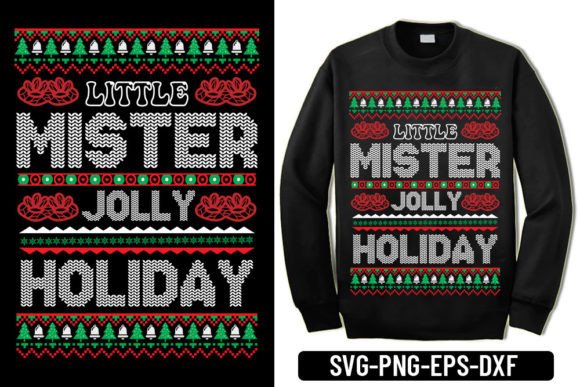
Little Mister Jolly Holiday: A Designer's Review
As someone who spends more time staring at stitch simulations than most people care to admit, I approach every new machine embroidery design with a mix of optimism and skepticism. We have all been there: you download a cute graphic, load it onto your machine, and halfway through the run, you realize the density is going to turn your soft cotton into cardboard. That is why I took a close look at Little Mister Jolly Holiday - Christmas before committing it to a client project. This isn't just about whether the image looks good on a screen; it is about how it translates into thread, how it sits on fabric, and whether it holds up as a finished product.
First Impressions and Visual Personality
When I first opened the files for Little Mister Jolly Holiday - Christmas, the immediate takeaway was its cheerful, uncomplicated vibe. In the world of T-Shirt Designs and holiday Graphics, there is often a temptation to overcomplicate things with excessive detail. However, this design leans into a cleaner aesthetic that suggests it was built with stitching in mind. The shapes appear distinct, which is crucial for maintaining clarity once the needle hits the fabric.
The mood here is undeniably festive without being chaotic. It captures that specific "cozy holiday" feeling that sells well in boutique settings. For an Etsy seller or a craft business owner, visual appeal is half the battle. If a design looks muddy or indistinct in a thumbnail, it won't get clicked. Little Mister Jolly Holiday - Christmas has strong silhouettes that should translate well into printable mockups and digital previews, giving potential buyers a clear idea of what the handmade product will look like.
Real-World Application: The Sweatshirt Test
To truly evaluate this embroidery file, I imagined a specific real-life scenario: a custom order for a family looking for matching holiday sweatshirts. This is a common request in November and December, and the pressure is on to deliver something that looks professional yet fun. Little Mister Jolly Holiday - Christmas feels like it belongs right on the chest of a heather grey or navy blue crewneck.
In this context, the design's layout works in its favor. It doesn't demand a massive hoop, which is great for standard home machines, but it is substantial enough to make a statement. When considering sweatshirt embroidery, you have to think about fabric texture. Fleece and French terry can be tricky; if a design has too many tiny, isolated details, they can get lost in the nap of the fabric. Based on the visual structure of this design, it seems robust enough to sit on top of textured knits without disappearing, provided you use the right stabilizer.
Furthermore, for a personalized gift, this design offers a great base. You could easily add a name underneath using a complementary font, turning a standard graphic into a bespoke item. This versatility increases the perceived value of the finished product, allowing you to charge a premium for customization.
Technical Considerations for Stitching
While the visual charm is evident, a responsible designer must look under the hood. Since the product description notes that you receive SVG, PNG, EPS, and DXF files, it is important to clarify the workflow. These formats are primarily vector and raster graphics used for cutting machines or printing. If you are planning to use this for commercial embroidery on a dedicated machine, you likely need to digitize these vectors into a stitch file (like PES or DST) or ensure you have the appropriate software to convert them while managing stitch density.
If you are using a pre-digitized version or converting these vectors yourself, keep an eye on the following:
- Stitch Types: Determine if the design relies heavily on satin stitch for outlines or fill stitch for larger areas. Satin stitches look luxurious but can snag easily on items that will be washed frequently, like kitchen towels or baby clothes.
- Small Details: Inspect any tiny elements. If there are small text components or fine lines, they may require a running stitch approach to prevent thread breaks, especially on stretchy fabrics.
- Color Contrast: Test the design in black and white first. If the elements blend together without color, the stitching might lack definition on certain thread colors.
For those attempting this on curved surfaces like caps, be cautious. A design with a wide, flat base might distort when stitched onto the front panel of a hat. Little Mister Jolly Holiday - Christmas seems better suited for flat applications like tote bag designs, aprons, or pillow covers where the fabric remains stable during the stitching process.
Navigating Fabric Challenges
No design is universal, and knowing where Little Mister Jolly Holiday - Christmas might struggle is just as important as knowing where it shines. If you are working with thin fabric, such as a lightweight linen tea towel, dense stitching can cause puckering. In these cases, using a cut-away stabilizer is non-negotiable to maintain the integrity of the embroidery project.
Similarly, if you are creating baby embroidery items, comfort is key. Babies have sensitive skin, so avoid placing heavy, scratchy stitching directly against areas that touch the neck or wrists. This design would work beautifully on the back of a onesie or the leg of a pant, keeping the tactile experience pleasant for the infant while still delivering that holiday cuteness for the parents.
Dark fabrics present another challenge. If the design relies on light thread colors, ensure your underlay stitches are sufficient to prevent the dark fabric from peeking through. A quick test run on scrap fabric of a similar weight and color is always the smartest move before starting the final piece.
Commercial Viability and Brand Consistency
For small shop product creators, consistency is the backbone of brand trust. Using high-quality design assets ensures that every item leaving your studio meets a certain standard. Little Mister Jolly Holiday - Christmas has the kind of timeless, seasonal appeal that can become a staple in your holiday collection year after year.
When listing this on platforms like Etsy, the quality of the physical stitch job will directly impact your reviews. A clean, well-executed embroidery run builds customer trust and encourages repeat business. Conversely, a design that pulls or distorts can lead to returns. Because this design appears to have a balanced composition, it reduces the risk of technical failures, allowing you to focus on marketing and customer service.
It is also worth noting the licensing aspect. The description mentions the files are "ready to us," but as a professional, I always advise double-checking the specific license terms regarding commercial use. Can you sell the physical embroidered item? Can you sell the digital file itself? Clarifying this before listing your custom apparel protects your business from potential legal issues.
Final Verdict for Makers
In the fast-paced world of holiday crafting, we need designs that are both adorable and reliable. Little Mister Jolly Holiday - Christmas strikes a nice balance between festive character and practical application. It is an excellent candidate for holiday gifts, boutique merchandise, and personalized decor.
My advice to fellow makers is to treat this design as a versatile tool in your arsenal. Whether you are stitching a single embroidered patch for a jacket or running a batch of tote bags for a local market, pay attention to your materials. Match your hoop size correctly, choose high-quality threads, and don't skip the stabilizer. If you do, this design has the potential to create some truly memorable pieces that capture the spirit of the season.
Ultimately, the success of any digital embroidery file comes down to execution. With thoughtful preparation and an eye for detail, Little Mister Jolly Holiday - Christmas can elevate your holiday offerings and bring a touch of joy to your customers' homes.