Life is Better in the Woods: A Designer's Review
As someone who spends more time staring at stitch maps than actual forests, I approach every new machine embroidery design with a mix of optimism and skepticism. When I first pulled up the Life is Better in the Woods file on my screen, the immediate reaction was one of relief. In a market saturated with overly complex, hyper-detailed graphics that scream "digital clipart" rather than "stitchable art," this design offers a refreshing sense of restraint. It captures that rustic, outdoorsy mood without promising a stitching nightmare. For those of us running a craft business or managing an Etsy seller shop, finding assets that balance aesthetic appeal with technical feasibility is the holy grail.
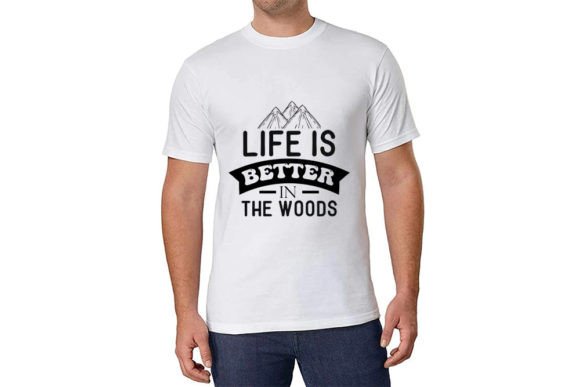
The visual personality of this piece leans heavily into the cabin-core and hunting lifestyle trends that have dominated social media for years. However, unlike many T-Shirt Designs that rely on tiny, intricate details which vanish under thread, this graphic appears to have a solid structure. The layout suggests a focus on bold shapes and readable typography, which is exactly what you want when translating a digital embroidery file into a physical handmade product. It feels less like a generic image and more like a badge of honor for anyone who prefers fresh air to fluorescent lights.
Putting the Design to the Test: Real World Scenarios
To truly evaluate the potential of Life is Better in the Woods, I mentally walked through a few client projects I have on my plate. The first scenario that came to mind was a custom order for a local outdoor guide service. They needed branding for a batch of heavy cotton canvas tote bag design prototypes. This is where the design shines. The phrase itself acts as a perfect slogan, and the accompanying graphics likely provide enough visual weight to stand out against the textured weave of canvas. Using a satin stitch for the text and a combination of fill stitch and running stitch for the graphical elements would create a tactile contrast that elevates the perceived value of the bag.
Another strong contender for this design is sweatshirt embroidery. There is a massive demand for cozy, nature-inspired loungewear right now. Imagine this design centered on the chest of a heather grey crewneck. The simplicity of the quote allows it to breathe on the larger surface area of a sweatshirt without looking cluttered. It transforms a basic garment into a statement piece. For small shop product lines, this versatility is key. You aren't just selling a shirt; you are selling an identity. Whether it is for a personalized gift for a dad who loves hunting or a holiday embroidery project for a family reunion, the theme is universally relatable within its niche.
I also considered its application on custom apparel for children. Baby embroidery requires a gentle touch, and if the design scales down well without losing legibility, it would be adorable on a onesie or a toddler's tee. However, this brings us to the critical technical considerations that separate a good design from a great one.
Technical Considerations and Fabric Compatibility
While the concept is solid, the execution depends entirely on how the file handles different materials. One of the primary concerns with any text-based Graphics is the stitch density. If the letters in "Life is Better in the Woods" are too small or the font too thin, they may become unreadable once stitched, especially on fabrics with a high pile like towels or fleece. Before committing to a full production run, it is essential to test the design on scrap fabric that matches your final product. Check the thread colors against the fabric texture; a dark thread on a dark fabric might look sophisticated in a mockup but disappear completely in real life.
Curved surfaces present another challenge. If you are planning to use this for an embroidered patch or a cap, you need to be mindful of the hoop size and the distortion that occurs on curved seams. Caps are notoriously difficult, and a design with long horizontal lines can warp if not properly stabilized. Speaking of which, using the correct stabilizer is non-negotiable. For stretchy fabrics like t-shirts, a cut-away stabilizer is usually the safest bet to prevent the design from puckering over time. For woven items like aprons or pillow covers, a tear-away might suffice, but always err on the side of caution.
Furthermore, consider the washing instructions for the finished product. Items like kitchen towels or baby clothes undergo frequent laundering. Dense stitch areas can sometimes cause fabric distortion after multiple wash cycles. Inspecting the small details of the design file—specifically looking for underlay stitches and jump stops—can save you hours of troubleshooting later. If the file includes an applique design option, that could be a fantastic way to add texture and reduce bulk, making it ideal for baby items where comfort is paramount.
Commercial Viability and Brand Consistency
For commercial embroidery professionals and creative entrepreneurs, the bottom line is whether this design helps build trust and recognition. A clean, well-executed design like Life is Better in the Woods contributes to brand consistency. It tells your customer that you understand their lifestyle and can deliver a product that reflects it authentically. When customers see a professional-looking printable mockup or a high-quality photo of the stitched item, their engagement increases. They aren't just buying a design; they are buying the assurance that the final result will look as good as the preview.
However, before listing this as a design asset or incorporating it into merchandise for sale, you must verify the licensing terms. The product description mentions receiving SVG, PNG, EPS, and DXF files, noting they are "ready to use." While this suggests flexibility for both cutting machines and embroidery digitizing software, it does not explicitly detail the commercial license scope. Always confirm whether the license allows for unlimited physical sales or if there are restrictions on digital redistribution. As an Etsy seller, protecting your shop from copyright issues is just as important as the quality of your stitching.
Final Verdict for Makers and Designers
In the world of T-Shirt Designs and embroidered goods, trends come and go, but the love for the outdoors is timeless. Life is Better in the Woods strikes a chord because it taps into a genuine sentiment rather than a fleeting fad. Its strength lies in its adaptability. Whether you are digitizing it yourself from the provided vector files or using it as-is for a quick turnaround project, it offers a solid foundation for creativity.
My advice to fellow makers is to treat this design as a versatile tool in your arsenal. Use it to create cohesive collections—matching tote bags, tees, and patches for a boutique launch. Experiment with different thread colors to match seasonal palettes; earth tones for autumn, greens for spring, or even metallic threads for a unique holiday twist. Just remember to respect the technical limits of your machine and your fabric. Test your embroidery project on scraps, check your tension, and ensure your hoop size accommodates the full width of the design without cropping.
Ultimately, this design earns its place in a professional library because it balances style with substance. It allows the maker to focus on the quality of the stitch and the presentation of the handmade product, knowing the design itself is doing the heavy lifting in terms of visual appeal. For anyone looking to expand their catalog of nature-inspired goods, this is a worthy addition that promises to resonate with customers who feel most at home among the trees.