Christmas Design: A Pro's Take on Holiday Stitching
As we approach the busiest season for handmade product creators, the pressure to deliver high-quality, festive items is real. I recently spent some time evaluating the Christmas Design asset to see if it holds up under the scrutiny of a professional embroidery project. When you are running a craft business or managing an Etsy shop, you cannot afford to waste thread, stabilizer, or client trust on a graphic that looks good on a screen but fails in the hoop. This review breaks down how this specific Graphics file translates from a digital download to a tangible, stitched reality.
First Impressions and Visual Personality
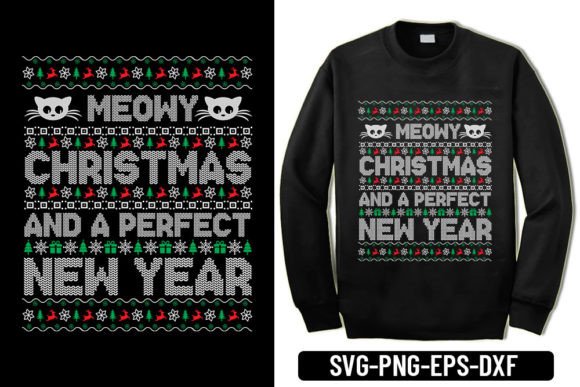
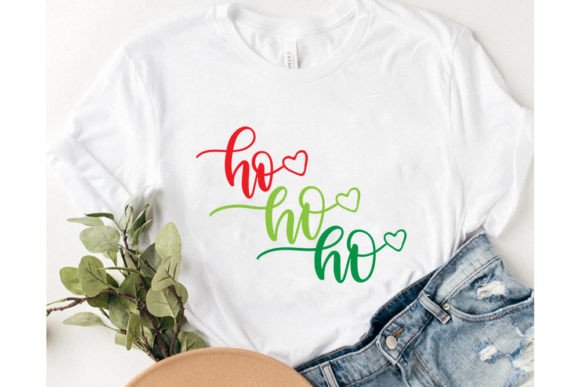
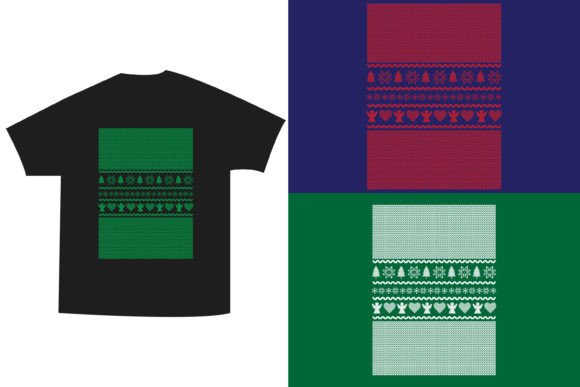
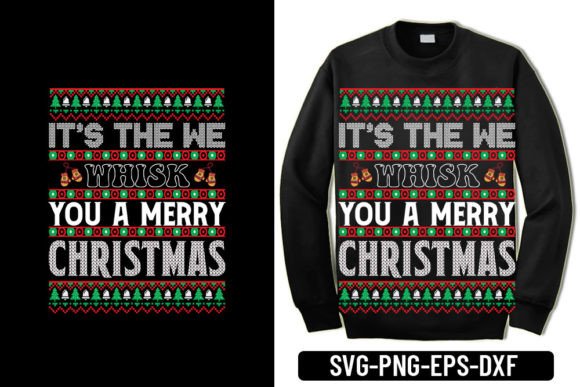
Upon opening the files, the first thing that strikes me about Christmas Design is its versatility. While the product listing categorizes it under T-Shirt Designs, my eye immediately sees potential beyond just apparel. The layout suggests a balanced composition that avoids overly dense clusters, which is crucial for maintaining fabric drape. The mood is undeniably festive without being cluttered. For a designer, this means the silhouette is strong enough to be recognized from a distance, a key factor when creating printable mockup previews for online listings.
The visual personality leans towards classic holiday cheer. Whether you are aiming for a rustic look on a linen tea towel or a vibrant pop of color on a child's sweatshirt, the design's structure supports various interpretations. However, as an experienced reviewer, I always caution against assuming a vector file like SVG or EPS will automatically translate perfectly to stitch. The flow of lines in a digital design asset often needs careful consideration regarding stitch density and direction to prevent puckering, especially on stretchy fabrics.
Real-World Application: The Holiday Tote Scenario
To truly test the viability of Christmas Design, I envisioned a specific real-life scenario: producing a run of custom embroidered tote bags for a local boutique's holiday gift guide. Tote bags are a staple small shop product, but they present unique challenges due to their canvas texture and potential for seam interference.
In this context, the design shines as a central focal point. If digitized correctly with appropriate fill stitch and satin stitch techniques, it would offer excellent coverage on the coarse weave of a canvas bag. The clarity of the shapes ensures that even with the texture of the fabric, the details remain crisp. For a personalized gift, adding a name below the main graphic using a simple running stitch would elevate the perceived value significantly. Customers love seeing that extra touch of customization, which directly boosts buyer engagement and justifies a higher price point.
However, if you are planning to use this for sweatshirt embroidery, you must be mindful of the fabric's nap. Fleece and French terry can swallow small details. In such cases, I recommend testing the design on a scrap piece of the exact same material. You might find that increasing the pull compensation or adjusting the thread colors to higher contrast shades makes the difference between a muddy mess and a professional finished product.
Navigating Fabric Challenges and Hoop Constraints
One area where many designers stumble is ignoring the limitations of their equipment and materials. While Christmas Design is available in multiple formats including DXF and EPS for cut machines, those of us focusing on needle and thread need to think about hoop size. If your design includes intricate corners or fine lettering, ensure your hoop can accommodate the full width without needing to re-hoop, which risks misalignment.
Textured fabrics, thin silks, and dark garments require special attention. On dark fabric, the choice of thread colors becomes critical. A design that relies on subtle shading in a PNG preview might vanish completely if stitched with low-contrast thread on black cotton. Always stitch a test sample on a dark swatch before committing to a client order. Similarly, for curved surfaces like caps, verify if the design has been digitized specifically for caps. A standard flat machine embroidery design can distort significantly when applied to a structured hat front.
Stabilizer selection is another non-negotiable. For a project like this, especially if it involves dense areas, a cut-away stabilizer is often safer than tear-away to prevent long-term distortion after washing. This is vital for items like baby embroidery projects or kitchen towels that will undergo frequent laundering. Preserving the integrity of the stitch ensures customer trust and reduces returns.
Commercial Viability and Brand Consistency
For Etsy sellers and commercial embroidery professionals, the licensing terms are just as important as the stitch quality. The product description mentions usage for scrapbooking, cut machines, and vinyl decals, implying a broad license for digital and physical crafts. However, before selling thousands of units of a custom apparel line featuring Christmas Design, you must confirm the specific commercial rights attached to the file you purchased. Some licenses allow for finished goods but restrict the resale of the digital file itself.
From a branding perspective, consistency is key. If Christmas Design fits your shop's aesthetic, it can become a signature element of your holiday collection. Using it across different mediums—perhaps as an embroidered patch on one item and a direct stitch on another—creates a cohesive brand story. Just ensure that the scale remains appropriate; what works on a large pillow cover might look lost on a small pocket.
Practical Notes for the Working Designer
Before you start stitching, here is a checklist to ensure success with this design:
- Test on Scraps: Never skip the step of stitching on the actual fabric you intend to use. Check for puckering and registration.
- Check Contrast: View your design in black and white to ensure the shapes stand out without relying on color alone.
- Verify Density: If the design feels stiff after stitching, the density may be too high for lightweight fabrics.
- Inspect Details: Zoom in on small elements to ensure they are wide enough to stitch cleanly without breaking threads.
- Confirm Licensing: Double-check the allowed uses for digital embroidery file assets to avoid legal issues with your craft business.
In conclusion, Christmas Design offers a solid foundation for a variety of holiday projects, from tote bag design concepts to intricate holiday embroidery on home decor. Its strength lies in its adaptability, but like any tool, its success depends on the skill of the operator and the preparation involved. By respecting the nuances of fabric, thread, and machine capabilities, you can transform this graphic into a standout handmade product that delights customers and strengthens your reputation as a skilled maker.